Whey Protein: What It Does, Which Type to Buy, and How Much You Actually Need
Whey is the most consumed supplement in fitness. Most people are using it wrong. Here is the evidence on absorption, timing, isolate versus concentrate, and the real daily target.
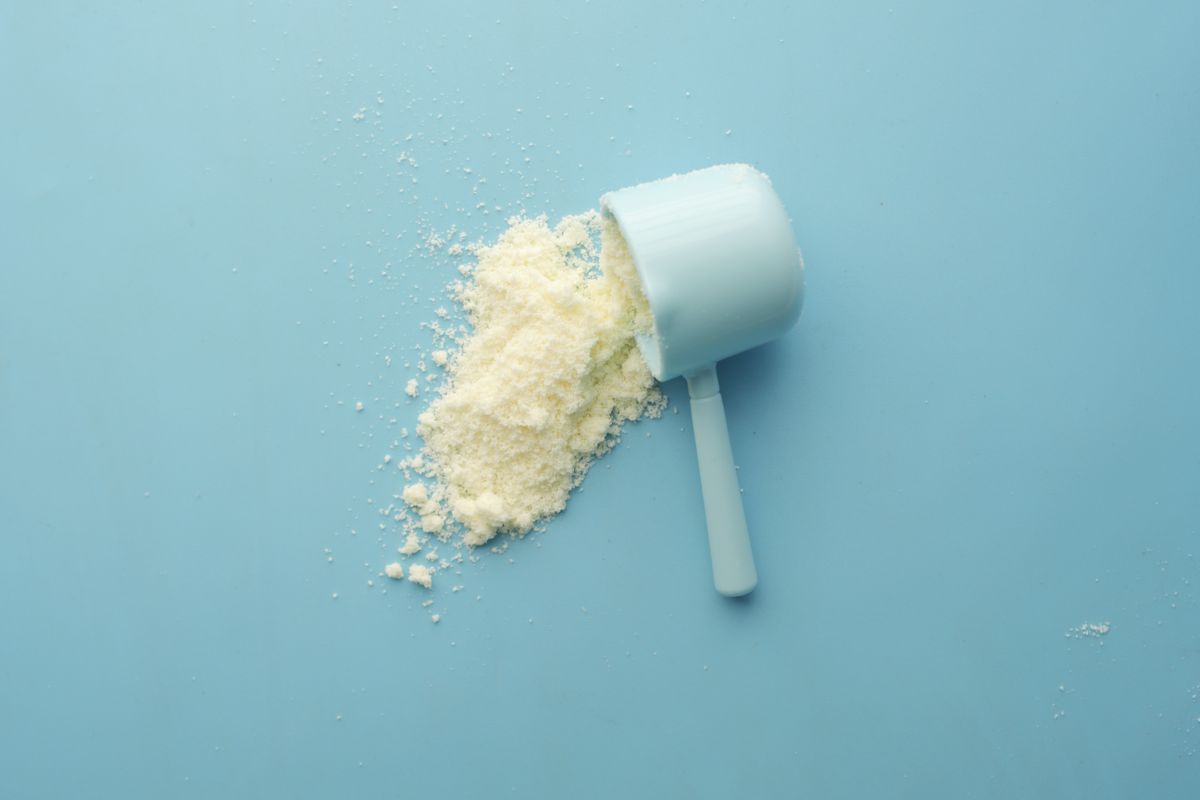
Whey protein is the default supplement. It is the first thing anyone buys when they start training, and for good reason. It is cheap, convenient, and backed by decades of research showing it supports muscle protein synthesis. But the fact that everyone takes it does not mean everyone takes it correctly. Most people have no idea how much protein they actually need, whether their whey is the right type, or when they should be consuming it for maximum effect.
This article covers what whey actually does in the body, the real differences between concentrate, isolate, and hydrolysate, how much protein you need per day, and the timing strategies that have evidence behind them versus the ones that are just supplement marketing dressed up as science.
How Whey Works and Why It Matters
Whey is one of the two main proteins found in milk, the other being casein. When milk is coagulated during cheese production, the solid curds become casein and the liquid byproduct is whey. That liquid gets processed, filtered, and dried into the powder you scoop into your shaker bottle.
What makes whey special is its amino acid profile and absorption speed. Whey is unusually high in leucine, the branched chain amino acid that directly triggers the mTOR pathway and initiates muscle protein synthesis. A typical serving of whey contains two and a half to three grams of leucine, which is right at the threshold needed to maximally stimulate protein synthesis in most people.
Whey also digests fast. Peak amino acid levels in the blood occur roughly sixty to ninety minutes after consumption, compared to three to four hours for casein. This rapid delivery makes whey ideal for post workout consumption, when your muscles are primed to receive amino acids and begin the repair process.
But speed is not everything. The total amount of protein you consume across the day matters far more than the speed of any single serving. If your daily protein intake is low, no amount of perfectly timed whey will compensate. If your daily intake is sufficient, the timing matters much less than people think. The research is clear on this point: total daily protein is the primary driver of muscle growth and retention. Whey timing is a secondary optimization at best.
That said, there is a practical advantage to whey that goes beyond biochemistry. It is convenient. A scoop of whey in a shaker bottle is thirty grams of high quality protein that you can consume in thirty seconds. For people who struggle to hit their daily protein target through food alone, whey solves a real problem. It is not magic. It is just food in powder form. But it is food that is easy to fit into a schedule that might not have room for three chicken breasts a day.
Concentrate, Isolate, and Hydrolysate: Which One You Actually Need
The three main forms of whey protein are concentrate, isolate, and hydrolysate. The differences come down to processing, protein content, and price.
Whey concentrate is the least processed form. It contains seventy to eighty percent protein by weight, with the remainder made up of fat, lactose, and moisture. Concentrate retains more of the beneficial bioactive compounds found in whey, including immunoglobulins and lactoferrin. It also tastes better than isolate in most cases because the residual fat and lactose give it a creamier mouthfeel. Concentrate is the cheapest form and is perfectly adequate for most people.
Whey isolate goes through additional filtration to remove most of the fat and lactose, resulting in a product that is ninety percent protein or higher by weight. Isolate is the right choice for anyone who is lactose intolerant or closely tracking macronutrients and needs the protein to calorie ratio to be as high as possible. It is more expensive than concentrate, and for most people the extra cost is not justified by a meaningful difference in results.
Whey hydrolysate is pre digested through enzymatic processing, breaking the protein chains into smaller peptides. The idea is faster absorption. In practice, the speed difference between isolate and hydrolysate is marginal, and hydrolysate is significantly more expensive while often tasting worse due to the bitter peptides created during hydrolysis. Unless you have a specific medical reason for needing pre digested protein, hydrolysate is not worth the premium.
For the vast majority of lifters, concentrate is the best value. If lactose is an issue, go isolate. Skip hydrolysate unless you like spending extra money for negligible benefits. The protein itself is the same amino acid profile across all three forms. The difference is in the packaging, not the content.
The Real Protein Target: How Much You Need Per Day
The recommended daily allowance for protein is point eight grams per kilogram of bodyweight. That number is the minimum to prevent deficiency in sedentary adults. It is not the target for anyone who trains.
For people engaged in regular resistance training, the evidence supports a daily intake of one point six to two point two grams per kilogram of bodyweight. That is roughly point seven to one gram per pound. If you weigh one hundred and eighty pounds, your target is one hundred and twenty six to one hundred and eighty grams of protein per day.
Within that range, leaner individuals and those in a caloric deficit should aim toward the higher end. When calories are restricted, protein needs increase because the body is more likely to oxidize dietary protein for energy rather than using it for tissue repair. Higher protein intake during a cut preserves lean mass and keeps you fuller, which makes the deficit easier to sustain.
Distribution across the day matters, though less than total intake. The research suggests that spreading protein across three to five meals, each containing point four grams per kilogram of bodyweight, maximizes muscle protein synthesis throughout the day. For a one hundred and eighty pound person, that means roughly thirty to forty grams per meal. This is not a rigid rule. If you eat most of your protein in two larger meals, you will still build muscle. But distributing it more evenly gives you a slight edge in protein synthesis.
Whey fits naturally into this framework. One scoop provides twenty five to thirty grams of protein, which is right in the sweet spot for a single feeding. Use it to fill the gaps in your day where food is inconvenient: first thing in the morning, between meals, or post workout when you are not ready for a full meal but want amino acids circulating quickly.
Timing: What the Evidence Actually Shows
The anabolic window is mostly a myth. The idea that you must consume protein within thirty minutes of training or your workout was wasted is not supported by the literature. Muscle protein synthesis is elevated for at least twenty four to forty eight hours after resistance training. The window is not thirty minutes. It is a day and a half.
That said, post workout protein is still a good idea. You have just created a stimulus that signals your muscles to adapt. Providing amino acids during that window of elevated sensitivity gives your body the raw material it needs to do the job. A scoop of whey within an hour or two of training is a convenient way to do this. But if you miss the window, you have not lost your gains. Just eat protein at your next meal.
Pre workout protein is also worth considering. Consuming twenty to thirty grams of protein an hour or two before training ensures that amino acids are circulating in your blood during the session, which may slightly reduce muscle breakdown and support synthesis during the workout itself. This is a small optimization, but it is an easy one.
Before bed, casein or a mixed protein source is more effective than whey alone. Casein digests slowly, providing a steady trickle of amino acids throughout the night. If you are already eating a protein rich dinner, this is handled. If your last meal is early, a casein shake or a serving of cottage cheese before bed is a simple way to keep synthesis active overnight.
The bottom line on timing is straightforward. Hit your daily protein target first. If you are hitting that target, timing is a minor optimization that moves the needle a few percentage points at most. Do not let perfect timing become the enemy of adequate total intake.
How to Read a Whey Label Without Getting Fooled
Protein supplement labels are designed to confuse. Here is how to cut through the noise.
First, check the protein per serving relative to the serving size. A quality whey concentrate should have roughly twenty four to twenty seven grams of protein per thirty gram scoop. If a product lists a thirty five gram serving size with only twenty grams of protein, the rest is fillers, fat, or lactose. You want a protein percentage of at least seventy five percent for concentrate and ninety percent for isolate.
Second, look at the ingredients list. The shorter the better. Whey protein concentrate or whey protein isolate should be the first ingredient. If you see soy protein, pea protein, or collagen listed alongside whey, the manufacturer is blending cheaper proteins to cut costs while keeping the total protein number high. Collagen in particular is an incomplete protein that lacks the leucine content needed to trigger muscle protein synthesis effectively. It should not be counted toward your daily protein target for muscle building purposes.
Third, watch for proprietary blends. If a label says "protein blend" without listing the exact amounts of each ingredient, the product is likely heavy on cheap protein and light on the whey you are paying for. Transparency in labeling is a sign of a quality product.
Fourth, amino acid spiking. Some older or cheaper products add free form amino acids like glycine, taurine, or creatine to inflate the nitrogen content measured in protein testing. This makes the label read higher in protein than the actual whey content justifies. The fix is to check for added creatine or amino acids in the ingredients and to buy from brands that use third party testing.
Fifth, artificial sweeteners. Most whey products use sucralose, acesulfame potassium, or stevia. All are generally recognized as safe at the doses found in protein powder. If you prefer to avoid them, there are unsweetened options that let you add your own flavoring. The sweetener choice matters less than the protein content, but if you consume multiple servings per day and want to minimize artificial ingredients, it is worth checking.
Whey protein is a tool. It is not the foundation of your nutrition, and it is not a replacement for food. But it is the most cost effective, convenient, and evidence backed way to close the gap between the protein you eat and the protein you need. Buy concentrate unless you have a reason not to. Hit your daily target before you worry about timing. Read the label. And stop overthinking it. The scoop in your shaker bottle matters less than the work you put in at the gym and the total protein on your plate at the end of the day.