Rack Pulls: The Ultimate Guide to Partial Deadlift Power (2026)
Discover how rack pulls build superior trap thickness and posterior chain strength through controlled partial range training. This complete guide covers setup, programming, and progressive overload strategies for serious lifters.
Why Rack Pulls Exist and When to Use Them
Rack pulls are not a compromise exercise. They are not the lesser cousin of the conventional deadlift. They are a precision tool that serves a specific purpose in a well-designed program, and when you understand what that purpose is, you stop treating them as a fallback and start using them as a weapon.
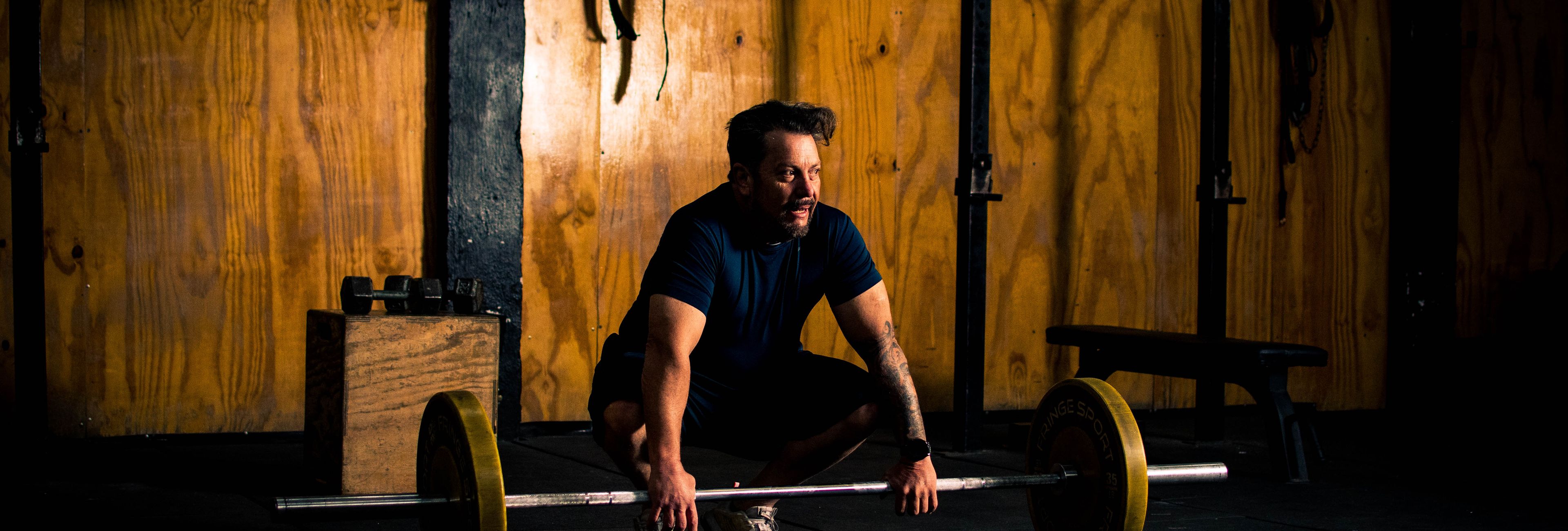
The rack pull positions the bar at a dead stop inside a power rack, typically set just below knee level or at mid-shin height. You pull from a dead start with no bar bounce, no hitching from the floor, and no momentum from a slow concentric grind. The bar is already moving when you decide to pull, and that changes everything about how your muscles respond to the load.
Most lifters encounter rack pulls when their deadlift stalls and someone suggests partials as a way to keep loading the top range. That is partially correct, but it misses the bigger picture. Rack pulls allow you to overload positions where you are strongest, build positional strength at the lockout, develop more hip drive, and train the specific range of motion that matters most during a maximal deadlift attempt. If your sticking point is in the top third of the pull, rack pulls are the answer you have been looking for.
The exercise also has a practical benefit that nobody talks about enough: it removes the lower back fatigue that accumulates from heavy conventional deadlifts. When you are in a peaking block and you need to keep loading your hip extensors without destroying your spinal erectors, rack pulls let you do exactly that.
Setting Up the Perfect Rack Pull
Your setup determines everything. A sloppy rack pull setup means a sloppy rack pull, and a sloppy rack pull is just a heavy row with a worse name.
Start by setting your safety pins or j-cups at the target height. Most lifters default to just below knee level, and that is a reasonable default for most purposes. However, the height you choose should match your goal. If you are targeting the lockout, set the bar at mid-thigh or slightly below. If you are using rack pulls to build more explosive hip extension, set it higher, around knee cap level, and treat it as a speed-strength exercise. If you are trying to build through a specific sticking point, set the bar two to three inches above that sticking point and pull from there.
Your foot position should mimic your conventional deadlift stance. Same width, same toe angle, same weight distribution. The only difference is that the bar is already elevated, so you do not need to hinge down to reach it. Instead, you set your brace with your shins already close to the bar, hips back, chest up, and your grip already established. Think of it as the top portion of your deadlift pull, locked in and ready to accelerate.
Once you are set, take a breath, brace your core like someone is about to punch you, and pull. The bar should leave the pins with controlled aggression. You are not yanking it. You are not grinding it. You are exploding through the range while maintaining a rigid torso and neutral spine. The bar travels vertically with minimal horizontal drift. You lock out hard, squeeze your glutes at the top, and lower under control.
The most common technical error is letting the hips shoot up before the chest rises. This turns the exercise into a good morning with a barbell in your hands. If your hips are rising faster than your chest, you are front-loading the movement and putting massive shear force on your lumbar spine. Keep your chest up, your shoulders over or slightly ahead of the bar, and drive your hips forward into the lockout rather than up.
Programming Rack Pulls Into Your Training Week
Rack pulls respond well to a variety of rep ranges, but the way you program them depends on what you are trying to achieve. This is not a one-size-fitsits-all exercise, and treating it as such is how lifters waste their time with it.
If you are using rack pulls for strength, keep the volume moderate and the loading high. Three to five sets of two to four reps works well. The load should be heavy enough that you could not do another rep with good form, but not so heavy that your technique breaks down in the first two reps. Most lifters can pull somewhere between 110 and 130 percent of their conventional deadlift from a rack, depending on the height. Do not chase that percentage blindly. If your lockout is weak, you will not magically pull 130 percent just because the bar is elevated. Use a load that lets you execute every rep with perfect positioning.
For hypertrophy-focused work, increase the rep range to six to ten reps per set. The intention shifts from maximal load to controlled intensity with a longer time under tension. You still want the weight to be challenging, but the emphasis is on muscular tension rather than peak force production.
Speed work with rack pulls is underutilized. Set the bar at a moderate height, load it with 55 to 65 percent of your conventional max, and pull with maximum bar speed for three to five sets of three to five reps. The intent is to accelerate the bar as hard as possible, teaching your nervous system to recruit fast-twitch fibers rapidly. This carries over to the floor pull because your body learns to generate force quickly from a dead stop.
Frequency matters. Rack pulls once per week is enough for most lifters unless you are in a very specific peaking protocol. The exercise is taxing on the central nervous system even though the range of motion is shorter. Your body treats a near-maximal rack pull like a heavy deadlift because the neural demand is similar.
Who Should Be Doing Rack Pulls and Who Should Not
Rack pulls are one of the most versatile exercises in any strength program, but they are not for everyone at every stage of their training journey.
If you are an intermediate or advanced lifter with a deadlift that has plateaued, rack pulls are almost mandatory. The ability to overload the top portion of the pull while maintaining good positions is one of the most effective ways to break through a sticking point. Your body adapts to the heavy partials by getting stronger at the exact range where your deadlift fails.
If you compete in powerlifting, rack pulls are a non-negotiable tool. Training the lockout with loads that exceed your conventional max teaches your body to handle heavier weights at the top of the movement. When you step onto the platform for a maximal attempt, the top portion of the pull feels lighter because you have trained it heavier.
If you are a beginner, rack pulls are less critical. Your deadlift is still progressing rapidly from conventional pulls alone. The risk of learning bad habits with rack pulls is real, and the benefit is smaller when your body is still adapting to the full range of motion. Master the conventional deadlift first. Add rack pulls when you have a reason to.
If you have a lower back injury or chronic lumbar issues, rack pulls can be a valuable alternative to conventional deadlifts during rehab phases. The elevated starting position reduces the moment arm on your spine and allows you to train hip extension without the compressive and shearing forces of a full deadlift. Work with a qualified professional to determine the appropriate height and loading for your situation.
If your issue is technique rather than strength, rack pulls will not fix it. If you are pulling with a rounded lower back from the floor, a rack pull just allows you to pull heavy with a rounded lower back from a higher position. You will get stronger, but you will also get more imbalanced and eventually more injured. Sort your hip hinge mechanics before you chase numbers on partials.
The Bottom Line on Rack Pulls
Rack pulls are not a shortcut around a weak deadlift. They are a targeted tool for building positional strength, fixing sticking points, and overloading a range of motion that conventional deadlifts cannot touch. Used correctly, they will make your deadlift more powerful, your lockout more solid, and your training more effective.
Set them up properly. Choose your height based on your goal. Program them with intent. And do not confuse a heavy rack pull with a good rack pull. The weight on the bar matters less than the quality of every rep you execute.
Start using them if you have been ignoring them. Stop using them if you have been using them as a crutch for bad technique. They are one tool in a large toolkit, and like every tool, they work best in the right hands and the right context.