Bulgarian Split Squat: The Single-Leg Mass Builder
The Bulgarian split squat builds legs that squats alone cannot. Here is the complete guide to setup, programming, and why you should stop skipping unilateral work.
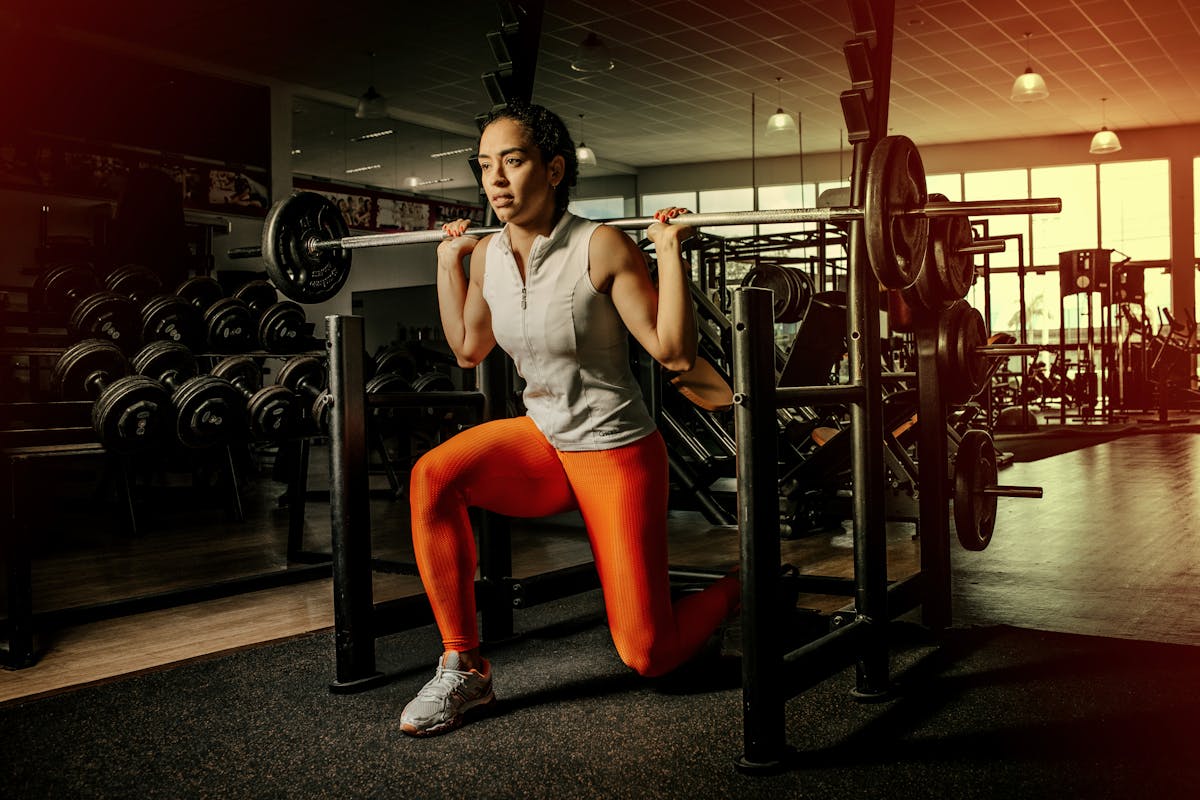
Why the Bulgarian Split Squat Matters
If your program only has bilateral squats, you are leaving leg growth on the table. The Bulgarian split squat, sometimes called the rear-foot elevated split squat, is the single most effective unilateral lower body exercise you can do. It targets the quads, glutes, and adductors of the front leg with a depth and contraction quality that bilateral squats cannot match. It also exposes and corrects strength imbalances between your left and right sides, which accumulate over years of bilateral dominant training and eventually limit your progress on every lower body lift.
Most lifters avoid Bulgarians because they are uncomfortable. That discomfort is the point. When one leg is doing all the work, you cannot hide behind your dominant side. You cannot shift your weight and let the stronger leg compensate. The weak leg has to perform, and performing under load is what drives adaptation. If your rear leg cramps, your hip flexors are tight. If you tip forward, your ankle mobility is the bottleneck. These are problems worth solving, not avoiding.
Research on unilateral training consistently shows that split squat variations produce comparable quad hypertrophy to back squats when matched for volume and intensity. The advantage is that split squats allow you to train each leg through a longer range of motion with less spinal loading. For lifters with lower back issues, hip impingements, or mobility restrictions that limit their squat depth, the Bulgarian split squat is not a substitute. It is an upgrade.
Setup and Execution: Getting It Right From Day One
The setup determines everything. Stand facing away from a bench or elevated surface. Place the top of your rear foot, not your toes, on the bench behind you. Your front foot should be far enough forward that when you descend, your front knee tracks directly over your front ankle, not beyond your toes. If your knee drifts past your toes, your front foot is too close to the bench. Step it out another few inches.
Your torso should stay upright throughout the movement. If you fold forward, you are shifting the load to your glutes and away from your quads. That is fine if glute emphasis is your goal, but most people fold forward because they lack the ankle mobility or core stability to stay upright, not because they are making a deliberate choice. Fix the root cause.
Descend until your rear knee is just above the floor. Do not touch the floor. The bottom position should have your front thigh at or below parallel, your torso vertical, and your weight distributed through the midfoot of your front leg. Drive through that midfoot to stand back up. Do not push off the rear leg. The rear foot is there for balance, not for assistance. If you find yourself pushing off the back leg, elevate the rear foot higher or focus on keeping your weight centered.
Common mistakes that ruin the exercise: placing the rear foot too close, which puts excessive shear force on the front knee; leaning forward, which turns the movement into a lunge variant; and using too much weight too early, which guarantees form breakdown. Start with bodyweight. Progress to goblet position. Then dumbbells. Then a barbell. The progression is simple but lifters skip steps because they want to load the movement before they have earned it.
Programming the Bulgarian Split Squat for Mass and Strength
For hypertrophy, run Bulgarians in the 8 to 15 rep range per leg. Three to four working sets per session. Rest 90 seconds between legs, 2 minutes between sets. The unilateral nature means you can superset legs without compromising recovery, but do not kid yourself into thinking the second leg is getting a rest. It is getting the same work with accumulated systemic fatigue. That is part of the value.
For strength, drop to the 5 to 8 rep range with heavier loads. Barbell Bulgarians are your best bet here because they allow you to load significantly more weight than dumbbells. Rack the bar as you would for a back squat, step out, and set your rear foot. The balance demands are higher with a barbell, so master dumbbell Bulgarians first before graduating to the barbell variation.
Here is a proven four-week progression for intermediate lifters. Week 1: 3 sets of 12 per leg with dumbbells at a weight that makes the last 2 reps challenging. Week 2: 3 sets of 10, increase weight by 5 to 10 pounds per hand. Week 3: 4 sets of 8, increase weight again. Week 4: 4 sets of 6 with the heaviest dumbbells you can handle with clean form. After week 4, deload or switch to a different rep range for a week, then repeat.
If you are running Bulgarians alongside back squats, place them after your primary squat work. They are an accessory, not a replacement for squats unless you are specifically managing a back or hip issue. On pure hypertrophy days, they can take the primary movement slot. Two sessions per week is the sweet spot for most lifters. Three if your recovery is exceptional and your other leg volume is low.
Fixing the Problems Everyone Runs Into
The rear leg cramp is the most common complaint. It happens because the hip flexor of the rear leg is being stretched and activated simultaneously, which is a position most people never train. The fix is not to avoid the exercise. The fix is to stretch your hip flexors for 60 seconds per side before your sets, and to accumulate volume at bodyweight until the cramping subsides. It usually takes two to three weeks of consistent exposure. Most people quit before they get there.
Knee pain on the front leg is almost always a setup issue. If your front foot is too close to the bench, the knee tracks too far forward and the patellar tendon takes excessive load. Move the front foot further out until your shin is vertical at the bottom of the rep. If the pain persists after fixing your setup, reduce the range of motion and build back up gradually. Pain is not the same as discomfort. Discomfort is normal. Pain is a signal to change something.
Balance problems usually stem from weak stabilizers. The glute medius of the front leg is responsible for keeping your pelvis level, and if it is weak, you will wobble. Warm up with banded lateral walks and single-leg Romanian deadlifts at bodyweight to prime the stabilizers before loading Bulgarians. The balance will improve within weeks if you train it consistently.
The Bulgarian split squat is not optional if you want complete leg development. Squats build the foundation. Bulgarians build what squats miss. Stop avoiding them, set them up correctly, and watch your leg training reach a level that bilateral work alone cannot deliver. Your logbook will confirm what your legs already know: unilateral work is the missing piece.