Best Pre-Workout Supplements for Maximum Gym Performance (2026)
Discover the most effective pre-workout supplements for 2026 that boost energy, focus, and performance to help you crush every gym session and build serious muscle.
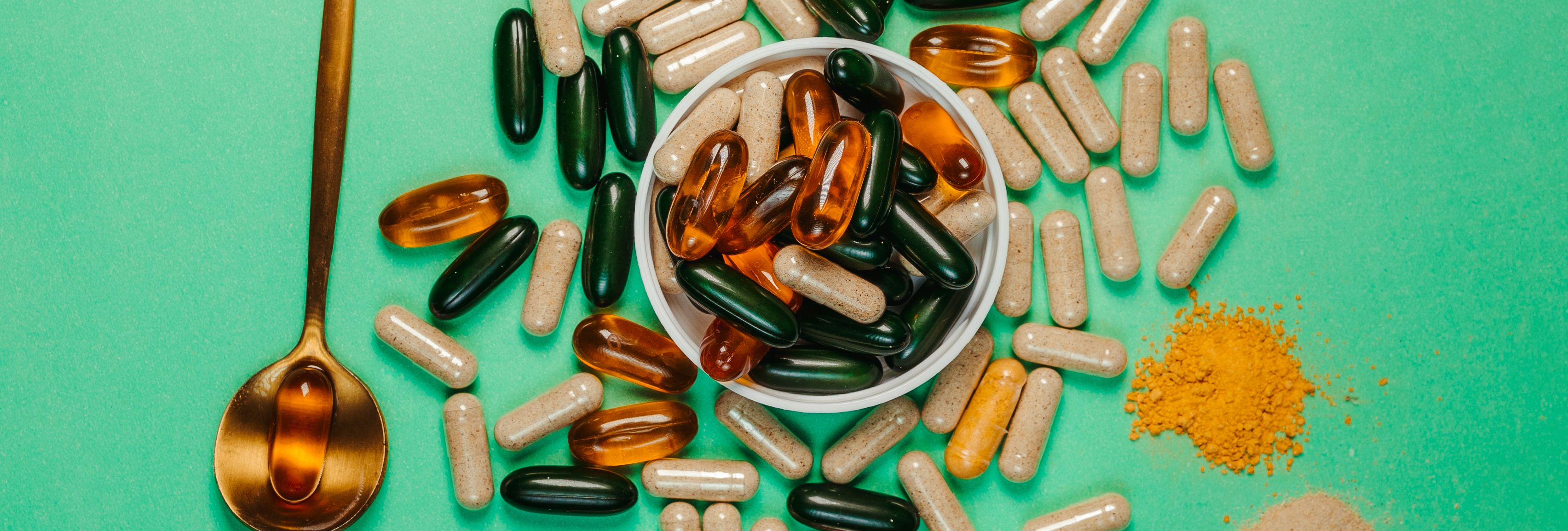
What Actually Goes Into Pre-Workout Supplements That Work
Most people in the supplement aisle are buying expensive caffeine with a label that promises everything and delivers nothing. The pre-workout supplement market is flooded with proprietary blends that hide effective doses behind marketing language, artificial colors that serve no purpose, and ingredients included at trace amounts just to appear on the label. You deserve to know what actually works before you spend another dollar on a tub of hype.
A proper pre-workout supplement should accomplish three things: increase energy availability for your training session, improve blood flow to working muscles, and sharpen mental focus so you can push through the grind when your body wants to quit. Everything else is decoration. The ingredients that actually deliver these effects have research behind them, and they work at specific dosages. This is the breakdown you need to make an informed decision.
The Ingredients That Matter And The Doses That Actually Work
Caffeine remains the king of pre-workout performance enhancement. The research is unambiguous. Caffeine improves power output, delays fatigue, and enhances time-to-exhaustion across multiple training modalities. For strength training, doses between 3 to 6 milligrams per kilogram of body weight consistently produce measurable improvements in performance. A 180 pound male sits around 82 kilograms, which means 250 to 500 milligrams of caffeine before training. Most commercial pre-workout supplements pack 150 to 300 milligrams, which works for most people but leaves some on the table.
Beta-alanine is the second most critical ingredient in effective pre-workout supplements. This amino acid raises carnosine levels in muscle tissue, which buffers hydrogen ion accumulation during high-intensity effort. Translation: you get more reps before your muscles burn out. The effective dose is 3.2 to 6.4 grams daily, split across doses to minimize the tingling sensation (paresthesia) that some users experience. Any pre-workout supplement that includes beta-alanine should deliver at least 2 grams per serving to be worth your money.
Citrus aurantium (bitter orange) and yohimbine show up in fat-burning focused pre-workouts but carry unnecessary risks. Bitter orange acts as a stimulant through synephrine but lacks the research backing of caffeine and adds cardiovascular stress that experienced lifters should avoid. Yohimbine can interfere with sleep architecture and create anxiety in sensitive individuals. Skip both unless you are specifically targeting a bodybuilding show prep and know what you are doing.
Pre-Workout Supplements By Training Goal
For strength athletes focused on the big three lifts, caffeine and beta-alanine form the foundation. Add creatine monohydrate to your daily stack, not just your pre-workout. Creatine enhances ATP regeneration and allows you to recover faster between heavy sets. The timing of creatine matters far less than consistent daily intake. Choose a pre-workout that delivers 150 to 200 milligrams of caffeine with 2 to 3.2 grams of beta-alanine, then add 5 grams of creatine monohydrate separately. This combination beats any proprietary blend on the market because you control the doses.
For hypertrophy-focused lifters running higher rep ranges, adding tyrosine improves focus during longer sessions where mental fatigue sets in before mechanical fatigue. L-theanine at a 1:2 ratio with caffeine smooths out the stimulant crash without dulling the energy boost. These ingredients appear in quality pre-workouts but check the label to confirm sufficient dosing. 500 to 1000 milligrams of tyrosine and 100 to 200 milligrams of l-theanine per serving make the difference between a clean energy spike and an anxious jitter.
For endurance athletes and those running conditioning circuits, nitrate-based ingredients outperform stimulant-only approaches. Beetroot extract and betaine anhydroglucosamine (betaine) improve blood flow and cellular hydration respectively. These work through different mechanisms than caffeine and complement each other. If your training involves extended work periods above 20 minutes, prioritize pre-workouts that include nitrate precursors alongside your caffeine dose.
The Problems With Proprietary Blends And How To Avoid Them
Every major supplement brand sells pre-workout supplements built on proprietary blends. They list a matrix of ingredients with combined doses but never reveal how much of each individual component you actually receive. This is intentional. Underdosing expensive ingredients while keeping them on the label maximizes profit margins. A blend that contains 25 ingredients at 50 milligrams each looks impressive on paper but provides nothing meaningful for performance. You need at least 150 milligrams caffeine, 2 grams beta-alanine, and 1.5 grams citrulline malate minimum for meaningful effects.
Transparent labeling has become more common as informed consumers demand better. Look for companies that list ingredient amounts by name rather than hiding behind blend names. This transparency costs nothing to provide and demonstrates confidence in the formula. If a brand refuses to disclose specific doses, buy something else. Your pre-workout supplement should tell you exactly what you are getting and why each ingredient is included at that dose.
Timing Your Pre-Workout Supplement For Maximum Effect
Caffeine peaks in blood concentration approximately 45 to 60 minutes after ingestion. Take your pre-workout supplement 30 to 45 minutes before training to hit peak effect during your working sets. Training fasted in the morning changes this calculation because cortisol levels are already elevated, which can amplify stimulant effects. Start with half your normal dose if you train fasted and assess tolerance before increasing.
Beta-alanine accumulates over time, not from single doses. Taking it only on training days produces results, but splitting the dose across non-training days as well speeds up the saturation process. If you experience the tingling sensation strongly, split your total daily intake (4 to 6 grams) across multiple servings throughout the day rather than taking it all at once in your pre-workout supplement.
Stay hydrated. Caffeine and beta-alanine both pull water into muscle tissue and increase fluid requirements. Chronic underhydration tanks performance more than any pre-workout supplement can compensate for. Drink at least half a gallon of water in addition to your normal intake on training days. The vasodilation ingredients like citrulline malate work better when you are properly hydrated because they depend on sufficient plasma volume to actually increase blood flow.
What To Avoid And When To Skip Pre-Workout Supplements Entirely
Pre-workout supplements are unnecessary during deload weeks and recovery phases. Your CNS is already taxed from accumulated training stress. Adding stimulant load when you should be reducing overall fatigue compounds the problem rather than solving it. Take deload weeks as deload weeks. Sleep longer, train lighter, and let your body absorb the training stimulus you built over the previous three or four weeks.
Some people should avoid stimulant-based pre-workout supplements altogether. If you have anxiety disorders, hypertension, heart conditions, or are taking any medication that interacts with stimulants, skip them entirely. The performance benefit does not outweigh health risks. Other interventions like proper sleep hygiene, carbohydrate loading before sessions, and strategic caffeine consumption from coffee are safer alternatives that require no purchase.
Artificial ingredients and excessive coloring serve no performance purpose. Research consistently shows that ingredient functionality matters far more than sensory experience. A pre-workout supplement that tastes like battery acid but delivers effective doses outperforms a fruit-punch flavored placebo. Many companies load their formulas with ingredients that affect color and taste while underdosing the active components. Read labels. Judge the formula first and the flavor second.
The Bottom Line On Pre-Workout Supplement Selection
Pre-workout supplements are a convenience tool, not a magic solution. The baseline stack of caffeine, beta-alanine, and creatine monohydrate costs less than thirty dollars monthly and outperforms expensive proprietary blends that cost three times as much. If you train hard, sleep adequately, and eat with purpose, a simple caffeine and beta-alanine combination will do everything most lifters need.
Build your own stack if you want to optimize. Buy caffeine powder and measure it precisely. Add beta-alanine powder to your creatine. Use citrulline malate separately if you want the pump enhancement. This approach costs a fraction of commercial pre-workouts and lets you adjust doses based on how each training day feels. Some days you need full caffeine. Some days a half dose works better when fatigue is high.
If you want the convenience of a pre-made product, look for transparent labels, effective doses, and minimal artificial ingredients. The brands worth buying are the ones confident enough to tell you exactly what is in each serving and why. No proprietary blend hiding. No ingredient included at sub-effective doses for marketing purposes. Pre-workout supplements that work are simple, transparent, and evidence-based. Everything else is noise.

