Contrast Therapy for Lifters: Science-Based Recovery Protocol (2026)
Alternating hot and cold exposure accelerates muscle repair, reduces delayed-onset soreness, and improves training performance. Here's how lifters should implement contrast therapy protocols for maximum recovery gains.

Why Contrast Therapy Is Worth Your Post-Training Time
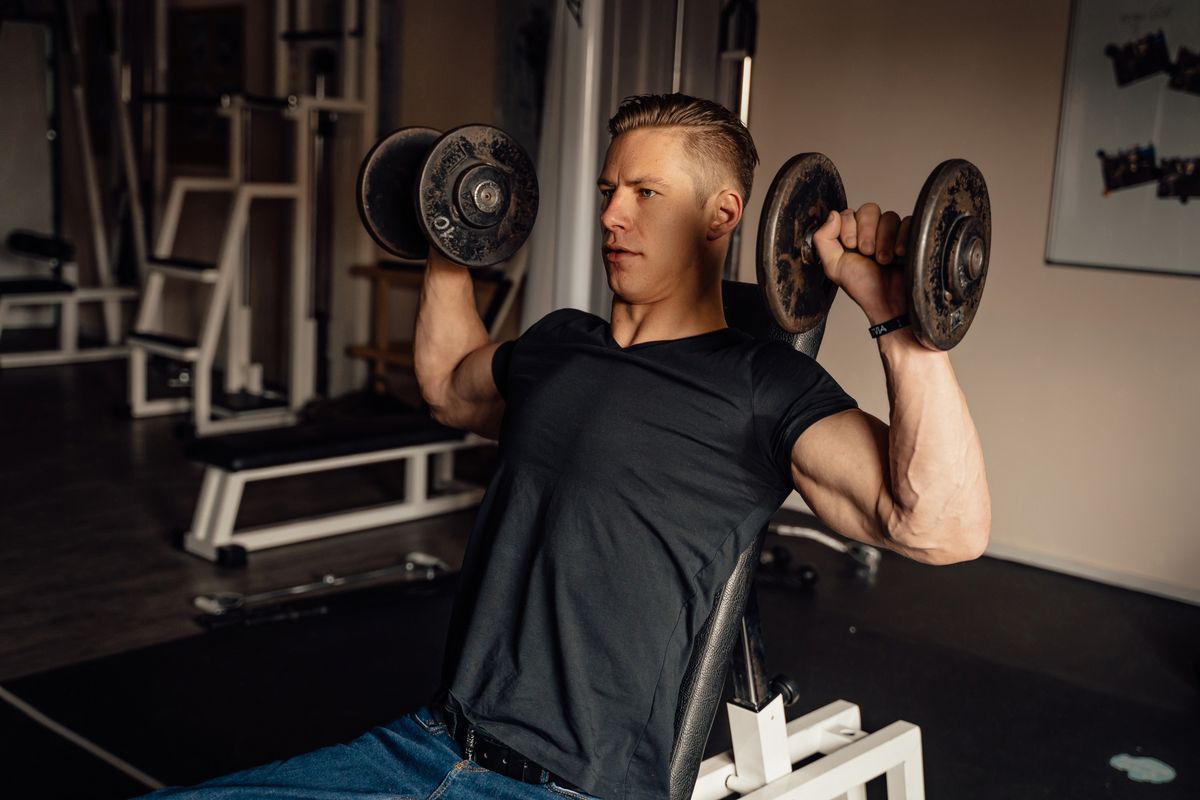
You finished your last set. Your muscles are screaming, your central nervous system is shot, and tomorrow you have to do it all again. This is the reality of serious training. The work does not stop when you rack the weight. Recovery is where your actual progress lives. You can program the perfect mesocycle, nail your protein targets, and sleep eight hours, but if your recovery protocol is weak, you leave gains on the table every single week. Contrast therapy is one of the most effective and least complicated recovery tools available to lifters who are serious about building muscle and strength over time. It is not a luxury. It is a legitimate physiological intervention that modulates inflammation, accelerates metabolite clearance, and improves perceived recovery between sessions.
Contrast therapy involves alternating between heat exposure and cold exposure in a structured sequence. Typically this means cycles of hot water immersion or sauna followed by cold water immersion or ice bath. The thermal stress creates a pumping effect in your circulatory system. Blood vessels dilate under heat and constrict under cold. This alternation acts like a pump, driving fluid in and out of soft tissue faster than passive rest alone. For lifters who train hard multiple times per week, this circulatory mechanism matters more than most people realize. Delayed onset muscle soreness is not just discomfort. It is an inflammatory response that physically interferes with your ability to contract muscle fibers effectively during subsequent sessions. Contrast therapy does not eliminate this process entirely, but it modulates the magnitude and shortens the duration significantly.
The research on contrast therapy for athletic recovery has grown considerably over the past decade. Multiple studies show measurable improvements in subjective recovery perception, force production maintenance across training days, and reduced creatine kinase levels in blood samples following intense exercise when contrast therapy is applied. The mechanism is not mystical. It comes down to blood flow dynamics, sympathetic nervous system regulation, and the mechanical flushing action that temperature oscillation creates. You do not need expensive equipment. You need a hot shower, a cold shower, and the discipline to use them properly. That is the honest reality of it. You do not need a cryotherapy chamber or a professional contrast bath setup. You need to understand the protocol and apply it consistently.
The Physiology: What Is Actually Happening In Your Body
When you expose your body to heat, vasodilation occurs. Blood vessels widen, blood flow to skin and superficial muscle tissue increases, and core temperature rises. Your body responds by increasing heart rate and cardiac output to manage the thermal load. Then you switch to cold and the opposite happens. Vasoconstriction reduces blood flow to the periphery, core temperature stabilizes, and metabolic demands shift. The rapid alternation between these two states creates what researchers call increased peripheral blood flow amplitude. This pumping action accelerates the delivery of nutrients to recovering tissue and the removal of metabolic waste products that accumulate during intense training.
Metabolite clearance is the part most lifters underestimate. When you train hard, hydrogen ion concentration increases in your working muscles, creating the burn you feel during high-rep sets. Lactate accumulates even if the energetics are primarily ATP-CP and glycolytic rather than purely lactic. These metabolites do not just disappear when you stop lifting. They diffuse out of muscle tissue into the interstitium, then into capillaries, and are transported to the liver and kidneys for processing. This process takes time under normal circumstances. Contrast therapy reduces that time by increasing the pressure gradient across capillary walls through repeated filling and emptying of peripheral vessels. The result is faster normalization of intramuscular pH and reduced perception of tightness and soreness in subsequent sessions.
Beyond the circulatory effects, thermal contrast therapy influences the autonomic nervous system. Heat stress activates sympathetic pathways and increases heart rate variability in the short term. Cold exposure tends to increase parasympathetic tone. The alternating pattern appears to train your autonomic system to recover baseline function more quickly after training stress. This matters for lifters because heavy training is a significant sympathetic event. The better your system can downregulate after training and upregulate before the next session, the more effective each workout becomes. Contrast therapy applied correctly functions as an autonomic training tool as much as a soft tissue intervention.
The inflammatory modulation aspect deserves attention because it is frequently misunderstood. Inflammation after training is not inherently bad. It is the signal that triggers adaptation. The goal of recovery interventions is not to eliminate inflammation but to keep it within a productive range and prevent it from becoming excessive and counterproductive. Contrast therapy appears to modulate cytokine responses and reduce excessive neutrophil infiltration without blocking the adaptive signaling entirely. This is a key distinction. You want enough inflammation to drive adaptation. You do not want so much that it degrades performance and increases injury risk over time.
The Protocol: How To Apply Contrast Therapy Correctly
The standard contrast therapy protocol for lifters follows a simple structure. Three to five cycles of heat and cold, with heat exposure roughly twice as long as cold exposure. A practical starting point is three minutes of heat followed by one minute of cold, repeated four times, finishing on cold. This is the foundation. You can adjust based on your goals and tolerances, but this ratio and this number of cycles represents the sweet spot in the literature for recovery benefits without excessive time commitment.
Heat exposure can come from several sources. A hot shower at sufficient temperature, a sauna session, a hot tub, or even a hot bath at home. The key metric is that you need enough thermal stress to elevate skin temperature significantly and produce a measurable cardiovascular response. Water temperature should be hot enough that you want to get out but tolerable enough that you can stay for the full duration without agony. If you are using a shower, the hottest temperature you can stand comfortably with water directly hitting your upper back and shoulders works well. For sauna, temperatures between 80 and 90 degrees Celsius with low humidity is standard. Whatever heat source you use, the goal is to feel genuinely warm and perceive cardiovascular activation. Mild warmth does not produce the vasodilation response you need.
Cold exposure should be genuinely cold. A cold shower with water temperature below 15 degrees Celsius produces measurable effects. An ice bath at 10 to 12 degrees Celsius is more intense but also more effective. The cold phase should be short enough that you stay in the full minute without fighting to remain compliant. If one minute is too uncomfortable at your chosen temperature, use 30 seconds initially and build up over multiple sessions. Consistency matters more than perfection. The vasoconstriction phase should feel distinctly uncomfortable but not traumatic. You are not trying to prove anything. You are trying to create the physiological contrast that drives the recovery benefits.
Timing relative to training matters. Contrast therapy is most effective when applied 30 minutes to two hours after training. This is when inflammation is actively building and metabolite accumulation is at its peak. Applying heat and cold during this window accelerates the transition from the acute catabolic phase of recovery toward the anabolic adaptation phase. Do not use contrast therapy immediately before training. The circulatory priming effect is different from what you want during a strength session. You want your cardiovascular system tuned for performance, not recovery, when you step under the bar.
Total time investment per session is 12 to 20 minutes depending on your protocol. This is not a significant time commitment for the recovery benefits you receive. If you cannot find 15 minutes after training to sit in a hot and cold shower sequence, your scheduling priorities need examination. You spend 90 minutes in the gym. You can spend 15 minutes recovering from it properly. This is not optional if you are training with any serious frequency and intensity.
Application: Structuring Contrast Therapy Into Your Training Week
The frequency of contrast therapy depends on your training volume and recovery demands. For most lifters running an upper-lower split or full body routine four to six days per week, applying contrast therapy after every session is excessive and can interfere with the adaptive inflammatory response you actually want. Two to three applications per week is sufficient for most lifters. Target your highest intensity sessions. Apply it after your hardest leg day, your heaviest upper body pressing day, and your most demanding recovery day of the week. You do not need to treat every session the same way.
During deload weeks, you can increase contrast therapy frequency because training stress is lower and your priority shifts from adaptation to maintenance and repair. During high volume blocks when you are accumulating fatigue intentionally, the same principle applies. Increase contrast therapy sessions to manage the cumulative load. Your body can handle more training stress if you support recovery more aggressively. Contrast therapy is part of that support structure.
Do not expect contrast therapy to substitute for sleep, nutrition, or progressive load management. It is one tool in a comprehensive recovery system. It does not fix a 500 calorie daily deficit or replace six hours of sleep. It does not compensate for training with poor technique or exceeding your recovery capacity repeatedly. What it does is optimize the recovery window you already have. It makes your sleep more effective by reducing residual inflammation before bed. It makes your nutrition more effective by improving delivery of nutrients to recovering tissue. It is multiplicative, not a replacement.
For competition preparation, contrast therapy has specific applications around recovery between events and maintenance of range of motion. Powerlifters preparing for a meet can use contrast therapy between heavy training sessions during the peak weeks to maintain freshness for the final workouts. Strongman competitors preparing for multiple events can use contrast therapy to manage systemic fatigue while maintaining training volume. The same principles apply but the timing and frequency adjust based on periodization goals.
Common Mistakes That Undermine Your Results
The biggest mistake lifters make with contrast therapy is using lukewarm temperatures that create comfort but not physiological stress. If your hot phase feels pleasant and your cold phase feels slightly brisk, you are not doing contrast therapy. You are taking a shower. The heat needs to be genuinely hot and the cold needs to be genuinely cold. Your body responds to the contrast. If there is no contrast, there is no adaptation signal. This is not about suffering for suffering's sake. This is about the specific physiological mechanism that requires meaningful temperature differential to activate.
Another common error is finishing a contrast session on heat. You want to end on cold. The final vasoconstriction phase leaves your peripheral tissues in a relatively empty state. When you resume normal circulation afterward, fresh blood with nutrients and oxygen rushes into the area. This is the flushing effect you want. If you finish on heat, you stay vasodilated and the pumping benefit is reduced. End cold every single time.
Overtreatment is a real concern for natural lifters. Applying contrast therapy too frequently, especially cold exposure, can blunt the inflammatory signaling that drives adaptation. You do not want zero inflammation. You want managed inflammation. Two to three times per week is the sweet spot for most lifters during a standard training block. If you are doing contrast therapy daily and wondering why your progress is slower than expected, this is a plausible explanation.
Using contrast therapy before training is a mistake that wastes the recovery benefit and can leave you with reduced core temperature and joint stiffness if you do not warm up properly afterward. Reserve contrast therapy for post-training application exclusively unless you are using it as a separate recovery session that does not precede training. Some lifters do morning contrast sessions on non-training days as autonomic training. This is acceptable if it does not interfere with afternoon training. But do not treat it as a pre-training activation tool.
Finally, do not expect contrast therapy to produce dramatic visible results immediately. The benefits are real but cumulative. You will notice improved recovery between sessions after two to three weeks of consistent application. Soreness will clear faster. Your next session will feel less like a continuation of the previous one and more like a fresh start. This perception is backed by the objective measures. Force production across training days improves. Perceived exertion decreases. Creatine kinase spikes are lower. These are the outcomes that matter for long-term progress.
Contrast therapy is not complicated. You do not need expensive equipment or specialized facilities. You need a basic understanding of the protocol and the discipline to apply it consistently after hard training sessions. The athletes who recover best are not necessarily the most talented. They are the ones who pay attention to the hours between sessions. Build contrast therapy into your routine and watch your week-over-week training quality improve. The weights are only part of the equation. The recovery is where you win or lose the long game.