Scapular Retraction for Back Thickness: The PullMaxx Technique Guide (2026)
Master the mechanics of scapular retraction to build a thicker, wider back. This guide covers optimal shoulder positioning and activation patterns for every major pulling movement.
Why Your Back Is Flat and the Problem Is in Your Shoulders
Your back is not responding to your efforts. You have been pulling, rowing, and lat-pulldown-ing for months, but when you look in the mirror, your back still looks like a wall rather than a canvas. The problem is not your genetics, your protein intake, or your program structure. The problem is scapular mechanics. Specifically, your shoulder blades are not doing what they need to do during every pulling movement, and that single failure is stealing every inch of thickness you could be building across your lats, rhomboids, and mid-trapezius.
Scapular retraction is the foundation of every effective pulling movement. It is the act of squeezing your shoulder blades together and down, creating tension across your upper back before you even move the weight. Most lifters skip this step entirely. They yank the bar toward their body or heave the dumbbell up using their biceps and momentum, never actually engaging the muscles responsible for back thickness. The result is a pump that feels great in the moment but produces zero long-term structural change.
This article breaks down the pullmaxx technique for scapular retraction. You will learn exactly how to set your shoulders before each pull, which muscles you are targeting, why the cue matters more than the weight, and how to program this skill into every back movement you perform.
The Anatomy of Scapular Retraction and Why It Builds Thickness
The shoulder girdle consists of two scapulae floating on your rib cage, connected to your axial skeleton only through the clavicle and a complex web of muscles. These muscles do not exist to move your arms in isolation. They exist to stabilize and position your shoulder blades so your arms can generate force efficiently. The primary retractors of the scapula are the rhomboid major, rhomboid minor, and middle trapezius. These muscles run vertically from your spine to your scapulae, and when they contract together, they pull your shoulder blades toward your spine.
Back thickness comes from developing these muscles. Width comes from your lats, which attach from your humerus to your thoracolumbar fascia and iliac crest. But thickness, the dimensional quality that makes your back look three-dimensional in the mirror, comes from the muscles that run perpendicular to your lats. The rhomboids and middle trap sit on top of and beneath the lats, creating the illusion of depth when they are well-developed. Every time you perform a pulling movement without proper scapular retraction, you are your lats and biceps while leaving your thickness muscles on idle.
The scapular retractors also play a critical role in shoulder health. When your scapulae are properly positioned, your glenohumeral joint is centered in its socket. When you protract excessively or fail to retract, you create an anteriorly translated humeral head that increases impingement risk and reduces force output. Retracting your scapulae before each pull is not just a hypertrophy technique. It is a structural necessity that protects your shoulders under load.
The Pullmaxx Scapular Set: A Step by Step Protocol
The pullmaxx technique begins before the weight moves. You do not start pulling and hope your scapulae engage. You deliberately set them, then pull from that position. This is a conscious skill that requires practice, and once you develop the kinesthetic awareness to feel your scapulae moving independently of your arms, it will change every back movement you perform.
Step one is the seated or bent-over position. Before you touch the weight, establish a neutral spine and pack your shoulders. Packing means depressing your scapulae as far down as possible, then retracting them toward your spine. Think of it as trying to squeeze a pencil between your shoulder blades without moving your arms. You should feel a hard contraction across your rhomboids and mid-traps. This is your starting position. You hold this position throughout the entire movement. The weight comes to your body, or your body comes to the weight, but your scapulae never lose their retracted position.
Step two is the pull itself. When you pull a bar toward your chest, the initiation comes from your scapulae retracting further, not from your elbows bending. Your elbows track naturally, but the cue is to squeeze your shoulder blades together first. The movement starts posteriorly, not anteriorly. If you feel your biceps doing most of the work, you have reversed the sequence. You are pulling with your arms and letting your scapulae follow. The pullmaxx technique demands the opposite: your scapulae initiate, your elbows follow, and your lats and rhomboids do the heavy lifting.
Step three is the lockout. At the end of each rep, your scapulae should be fully retracted, your chest should be up, and your shoulders should be back. Many lifters reach the end position and let their shoulders roll forward immediately. This is a wasted rep. Hold the retracted position for one full second before lowering the weight. Eccentric control matters. You are not dropping the weight back to the start. You are lowering it under control while maintaining your scapular position. The moment you lose retraction on the eccentric, you lose half the training stimulus.
Step four is reset between reps. If you are performing multiple reps in a set, you do not simply bounce out of the bottom position. You consciously reset your scapulae before each pull. This means returning to the packed shoulder position with depressed and retracted scapulae before initiating the next rep. Some lifters find it helpful to think of each rep as starting from deadhang, with their scapulae fully set and their lats pre-stretched.
Programming Scapular Retraction Into Every Pulling Movement
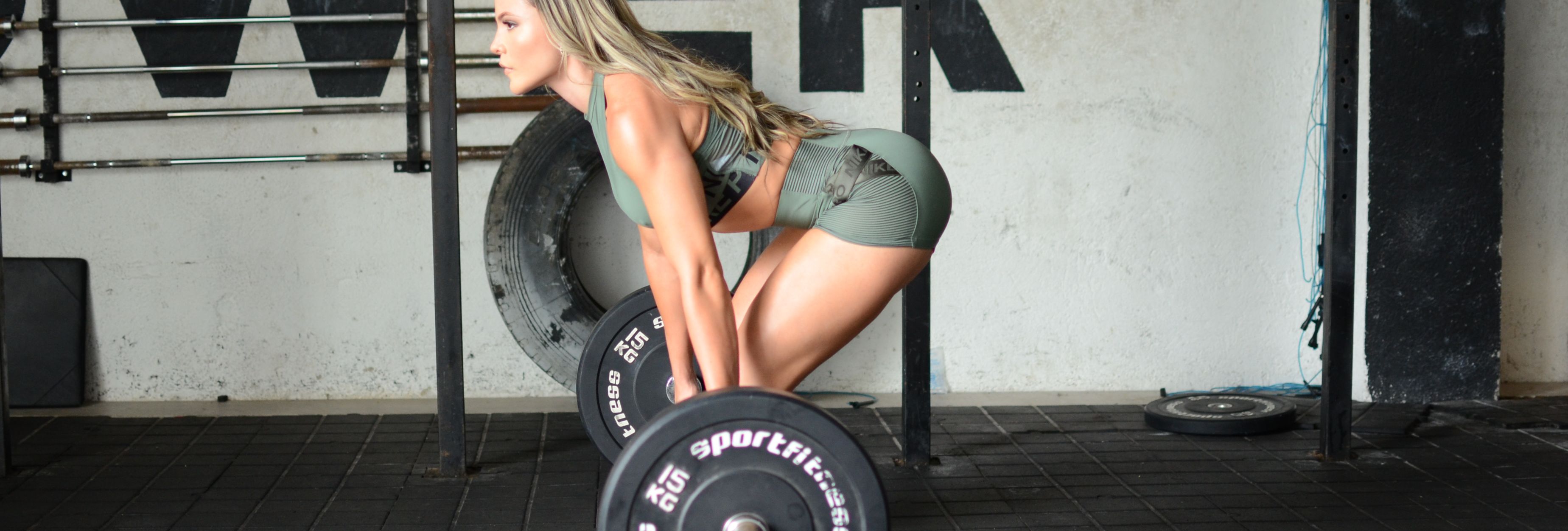
Barbell bent-over rows are the single best exercise for applying the pullmaxx scapular technique. The barbell row forces you into a hip-hinged position where your scapulae are the primary drivers of movement if you are pulling correctly. Set up with your feet hip-width apart, hinge at your hips until your torso is approximately 45 degrees to parallel, and grab the bar just outside shoulder width. Before you pull, depress and retract your scapulae hard. Then initiate the row by squeezing your shoulder blades together, letting your elbows travel naturally along your sides. The bar comes to your lower chest or upper abdomen, your scapulae are fully retracted, and you hold for a beat before lowering under control.
Dumbbell rows respond exceptionally well to this technique. Single-arm rows allow you to focus heavily on scapular mechanics because you can watch your shoulder blade moving. Set up with one hand on a bench, ipsilateral foot on the floor, and contralateral leg extended. Let your shoulder hang freely. Before you row, set your scapula by pulling it toward your spine and down. Pull the dumbbell toward your hip, leading with your elbow and finishing with your scapula fully retracted. The dumbbell row done correctly with full scapular engagement will light up your rhomboids and mid-trap in a way that no amount of cheat reps with momentum ever will.
Seated cable rows demand the same discipline. Many lifters sit in the machine and immediately yank the weight using their biceps and lower back momentum. The pullmaxx approach requires you to sit tall, set your scapulae before you touch the weight, and initiate the pull by retracting your shoulder blades toward your spine. Your arms are cables connecting your hands to your scapulae. They do not pull. They transmit force. If your biceps are burning before your mid-back, you are pulling with your arms.
Pull-ups and chin-ups are complicated by grip width and elbow position, but the principle holds. At the bottom of every pull-up, your scapulae should be depressed and slightly protracted, pre-stretching your lats. The pull initiates by retracting your scapulae and depressing them further, pulling your body upward. Many lifters pull by bending their elbows and shrugging their shoulders, which turns a back exercise into a biceps and trap exercise. The pullmaxx pull-up cue is simple: pull your elbows to your hips and squeeze your shoulder blades together at the top. If you cannot feel your mid-back firing on every rep, you are not doing the movement correctly.
Common Scapular Retraction Errors and How to Fix Them
The most frequent error is using the arms to initiate the pull. You can test yourself right now. Stand with your arms at your sides and try to pull your shoulder blades together without moving your arms. Feel that contraction? That is scapular retraction. Now try pulling your elbows toward your ribs. That is arm flexion. These are different movements, and when you mix them, your arms win every time. The fix is to practice scapular retraction in isolation first. Stand against a wall, squeeze your shoulder blades together, and hold for 10 seconds. Feel the muscle activation. That is what should initiate every single pulling rep.
Another common mistake is scapular winging. This is when your shoulder blades stick out away from your rib cage instead of staying flat and retracted. Winging indicates weakness in your serratus anterior and lower trapezius, and it means your scapulae are not stable enough to handle heavy loads. If you have this issue, add face pulls and scapular push-ups to your routine. Press up to a push-up position, protract your scapulae fully by pushing the floor away, then retract them hard while keeping your arms locked. Do this for sets of 15 before your pulling work. It will correct the winging and improve your pulling strength.
Excessive scapular elevation during pulls is the third error. Many lifters shrug their shoulders toward their ears while rowing or pulldowning, which defeats the purpose of retraction and shifts tension to your upper traps. Your shoulders should stay packed down throughout every set. If you catch yourself shrugging, reduce the weight immediately and focus on the movement quality. A lighter load with perfect scapular mechanics will build more muscle than a heavier load performed incorrectly.
The Pullmaxx Standard: Scapular Control Is Non-Negotiable
Back thickness is built through intentional scapular mechanics applied consistently across every pulling movement over months and years. There is no shortcut. There is no machine that does this work for you. There is only the conscious decision to set your shoulders before each rep, initiate every pull with your scapulae, and maintain that position through the entire range of motion. The pullmaxx technique is not complicated, but it is demanding. It requires attention, practice, and the discipline to resist the urge to load the bar before your technique is solid.
Pick one pulling exercise and apply this protocol for four weeks. Track your sets, reps, and the sensation of scapular engagement. You will feel muscles working that you have ignored for years. Your back will start to develop the dimensional quality that separates a trained back from a bodybuilder back. The weight on the bar will not change dramatically in those four weeks, but the quality of every rep will transform. That is what the pullmaxx approach delivers. Not the illusion of progress from chasing weight. Real structural development through intentional movement.


